
Compare our carbon, ceramic, and Ceramic IR window tint packages to find the right combination of heat rejection, UV protection, appearance, and value for your vehicle. Our team can help you choose the right film and tint shade for your car, truck, SUV, Tesla, or EV.
Need tint for just one area of your vehicle? Choose from individual window tint services and add-ons including windshield tint, panoramic roof tint, sunroof tint, glare strips, and professional tint removal.
These options are ideal for Henderson drivers who want targeted heat reduction, glare control, privacy, or replacement of existing film without purchasing a full window tint package.

$199

$25

$249

$49

$59

$350
Compare visible darkness, optical clarity, haze, color character, exterior appearance, and relative heat entering across Carbon, Ceramic, and Ceramic IR.
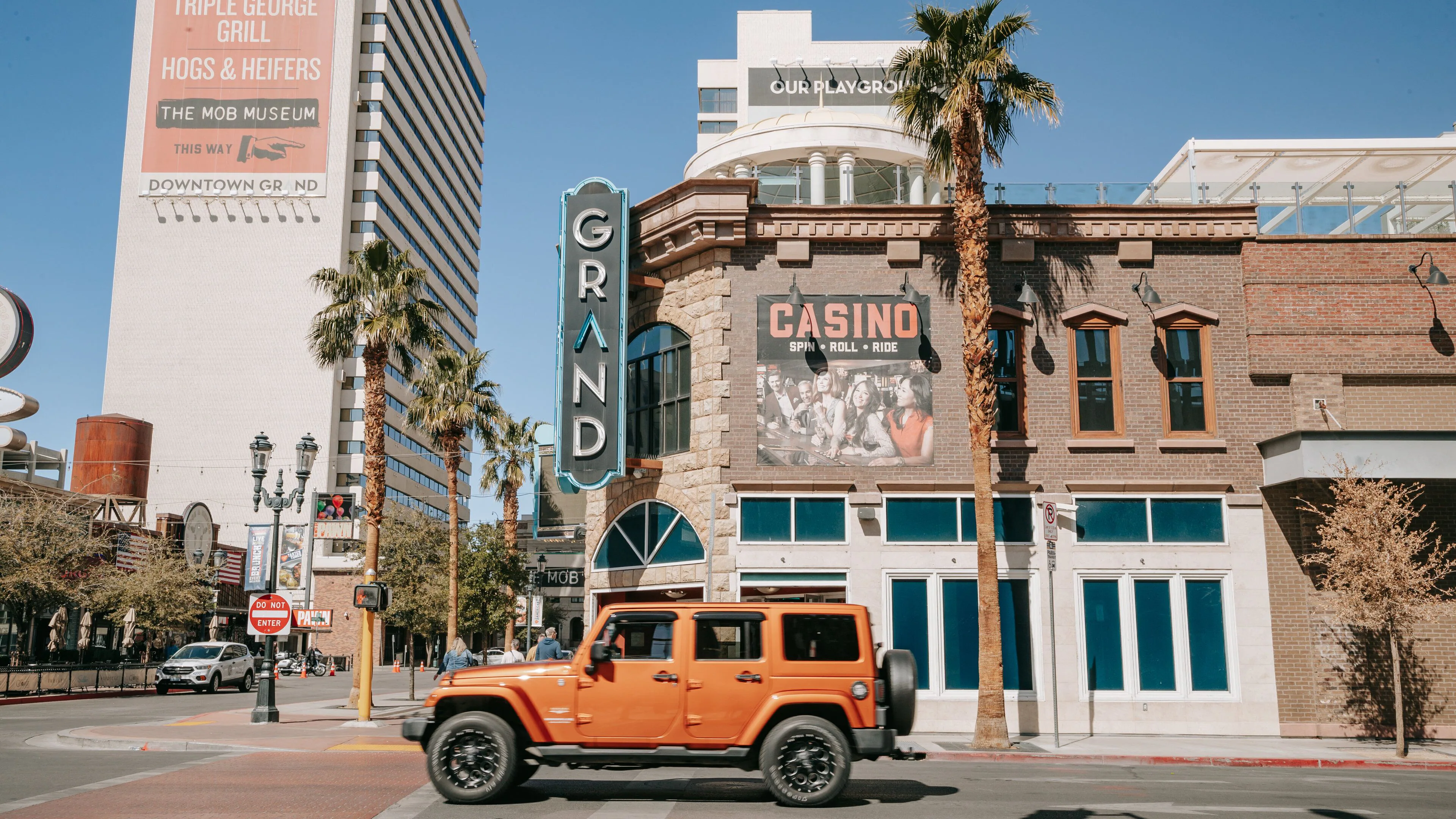
Maximum heat rejection with outstanding clarity.
Ceramic IR is engineered to reject infrared energy while maintaining excellent visibility and optical clarity. Its non-metallic construction avoids electronic interference and provides excellent long-term color stability.
The heat thermometer is a relative visualization. Both film technology and VLT affect the display, but film technology has the larger effect. Exact heat rejection varies by the specific film product and shade.
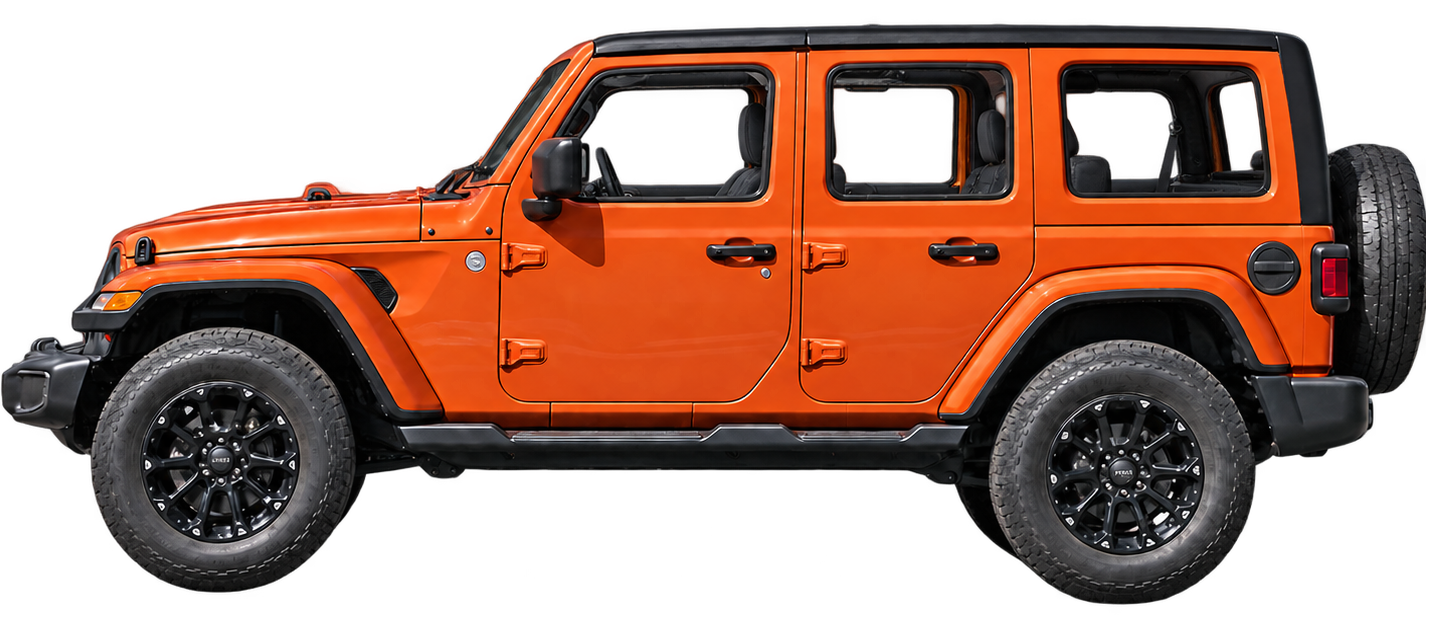
Team Acme provides professional automotive window tint installation in Henderson, NV using premium carbon, ceramic, and Ceramic IR films designed for Southern Nevada heat.
HEAT, UV & GLARE PROTECTION
Professional automotive window tint can make a noticeable difference in Southern Nevada’s intense sun. The right window film can help reduce interior heat, block harmful UV rays, cut glare, improve privacy, and protect your vehicle’s interior all while giving your car a cleaner, more finished appearance.

Quality window film helps reduce the solar energy entering through your glass, making your cabin more comfortable during Henderson and Las Vegas summers.

Reducing sun and UV exposure can help preserve upholstery, leather, plastics, and other interior materials over time.
Window tint adds privacy while giving cars, trucks, SUVs, Teslas, and EVs a cleaner, more uniform look.

Window tint helps cut harsh sunlight and glare, improving driving comfort during bright Nevada mornings, afternoons, and sunsets.

Automotive window tint can help block UV exposure that contributes to skin damage and fading or cracking of dashboards, seats, and interior surfaces.

Modern non-metallic window films can provide heat and UV protection without interfering with your cell phone, GPS, Bluetooth, satellite radio, keyless entry, or other vehicle electronics.
Nevada law generally requires the front side windows next to the driver to allow at least 35% visible light transmission (VLT), with a 7% tolerance. Rear side windows and the rear window may be darker when the vehicle has qualifying outside mirrors on both sides. Windshield tint is restricted to the upper portion of the windshield, subject to Nevada requirements.
Want to compare tint darkness in more detail? Read our guide to the darkest window tint percentages allowed, including Nevada tint limits and neighboring state requirements.
35% VLT or lighter
Nevada requires the windows immediately to the right and left of the driver to be nonreflective and have at least 35% total light transmission, with a 7% tolerance.
Restricted to the upper windshield area
Nevada generally does not allow aftermarket tint across the full windshield if the film alters the color or reduces light transmission. Tint is permitted on the topmost portion of the windshield when the bottom edge meets Nevada’s placement requirement and the film is not red or amber. Full-windshield tint may be allowed in certain cases with an approved exemption.
Legal windshield strip: Nevada allows tint on the upper portion of the windshield when the bottom edge is at least 29 inches above the undepressed driver’s seat, measured according to the method specified in NRS 484D.440.
Darker tint is permitted
Nevada allows tint on side windows behind the driver when the vehicle has outside mirrors on both sides that provide the required rearward view.
Darker tint is permitted
Rear-window tint is permitted under the same outside-mirror requirement.
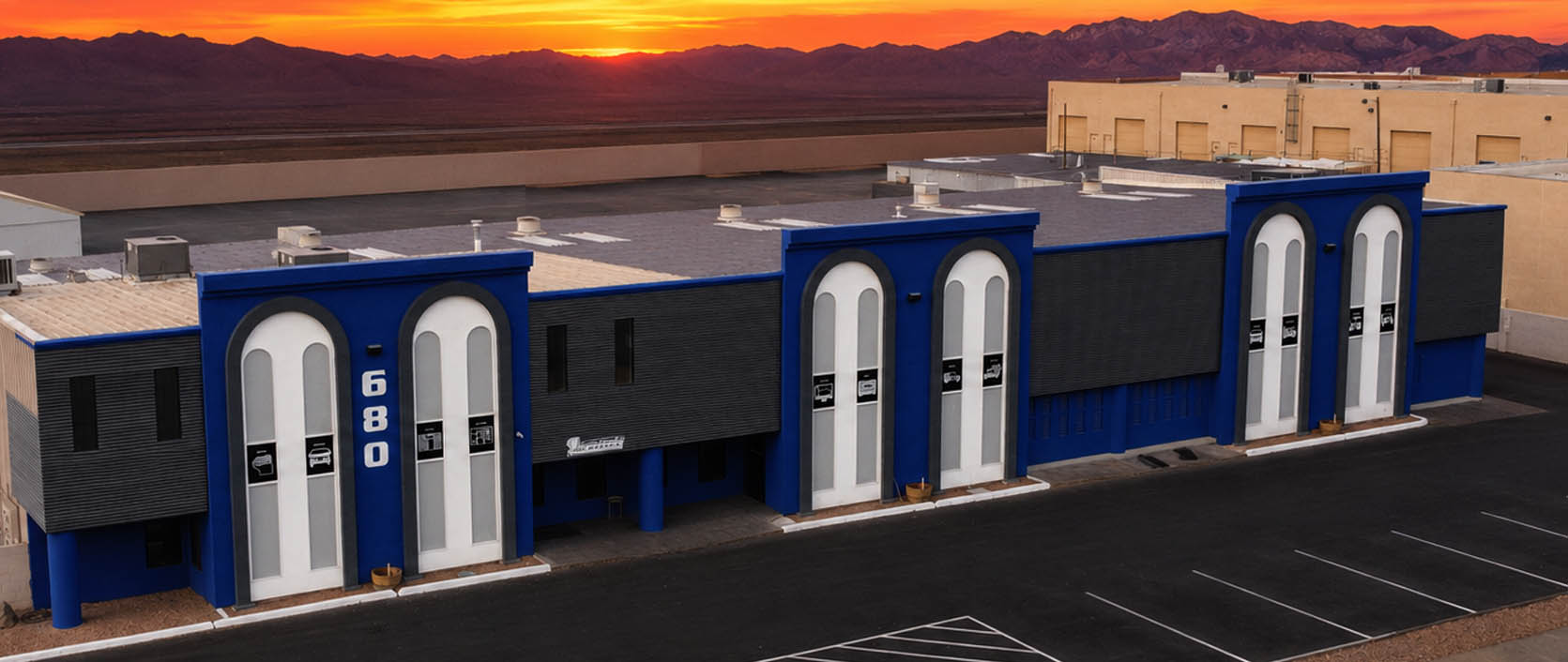
Team Acme provides vehicle window tint from our Henderson shop at
680 Professional Ave, Henderson, NV 89015.
We commonly help drivers throughout Henderson, Las Vegas, Green Valley, Boulder City, Paradise, Silverado Ranch, Enterprise, Spring Valley, and nearby areas.
680 Professional Ave, Henderson, NV 89015
Store Hours:
Monday-Friday
8am-5pm
Here are the most common questions Team Acme gets about vehicle window tint services.
For most Henderson drivers, ceramic window tint offers the best combination of heat rejection, UV protection, glare reduction, visibility, and everyday comfort. Drivers who want the highest level of infrared heat rejection may prefer a premium Ceramic IR film, while carbon tint is a strong value option.
Properly installed window film does not automatically cause sunroof or panoramic glass to crack, but roof glass can be more sensitive to heat, existing damage, glass construction, and film selection. The safest approach is to evaluate the specific vehicle and glass before installation.
For a deeper explanation, read our guide: Can Tinting Your Sunroof Cause the Glass to Crack?
Carbon tint provides good heat rejection, UV protection, glare reduction, privacy, and appearance at a more affordable price. Ceramic tint uses more advanced film technology to provide greater heat and infrared rejection while maintaining excellent optical clarity. Ceramic IR is the premium option for drivers prioritizing maximum heat performance.
Not necessarily. Tint darkness and heat rejection are not the same thing. A darker basic film may allow less visible light through but can still reject less heat than a lighter high-performance ceramic film. Film construction and infrared rejection are important when choosing tint for Nevada heat.
Nevada generally requires the front side windows immediately to the left and right of the driver to have at least 35% total visible light transmission (VLT), with a 7% tolerance, and the film must be nonreflective. Nevada allows different treatment of rear side and rear windows when applicable mirror requirements are met.
Fresh window film needs time to properly adhere and begin curing. Avoid rolling tinted windows down until the period recommended by your installer has passed. Team Acme will provide aftercare instructions based on the film, vehicle, and installation conditions.
Some temporary moisture, haze, or small water pockets can be visible immediately after installation while the film cures. These should diminish as moisture evaporates and the film bonds to the glass. Cure time can vary depending on temperature, weather, film, and glass configuration.


