
Windshield replacement is one of the most common reasons a vehicle may need ADAS calibration, but it is not the only one.
If ADAS is not calibrated correctly, your vehicle’s cameras and sensors may not read the road accurately. That can affect safety features like lane assist, forward collision warning, adaptive cruise control, and automatic emergency braking.
Even a small change in camera angle, windshield position, bumper alignment, or sensor placement can cause the system to react late, react incorrectly, or stop working. ADAS calibration helps make sure those driver-assistance features are aimed, aligned, and reading the road the way they should.
There are two main types of ADAS calibration: static calibration and dynamic calibration. The type your vehicle needs depends on the manufacturer, the safety systems involved, and what repair or replacement work was completed. Some vehicles may require one type, while others may require both.
Static calibration is performed in a controlled shop environment using calibration targets, scan tools, and vehicle-specific setup requirements. The vehicle usually needs to be positioned carefully so the camera or sensor can be aligned according to manufacturer procedures.
➤ Done in-shop
➤ Uses calibration targets
➤ Requires precise vehicle setup
➤ Often used for windshield cameras
➤ Based on manufacturer procedures
Dynamic calibration is performed while the vehicle is driven under specific conditions so the system can relearn road markings, traffic conditions, and sensor positioning. This may require certain speeds, road types, lighting conditions, and a clear camera or sensor view.
➤ Done through controlled driving
➤ Uses road markings and conditions
➤ Requires specific speed/road conditions
➤ Helps systems relearn sensor positioning
➤ Based on manufacturer procedures

ADAS calibration cost depends on your vehicle, the safety systems involved, and whether it needs static calibration, dynamic calibration, or both. If calibration is required after windshield replacement or an approved insurance repair, your insurance may cover the calibration as part of the claim.
Team Acme can help review your vehicle information, explain what type of calibration may be needed, and help with insurance-related questions for auto glass and ADAS calibration.
ADAS calibration pricing depends on the vehicle, camera and sensor systems, manufacturer procedures, and the type of calibration required. Some vehicles need static calibration, some need dynamic calibration, and some need both.
Insurance may cover ADAS calibration when it is required as part of a covered windshield replacement or repair claim. Coverage depends on your policy, deductible, and claim approval.
Not always. Team Acme has the ADAS calibration equipment, scan tools, calibration targets, and controlled setup needed to calibrate many vehicles with windshield cameras and driver-assistance systems.
Some dealer-only programming issues may still require a dealership, but many ADAS calibrations can be handled right here at Team Acme.
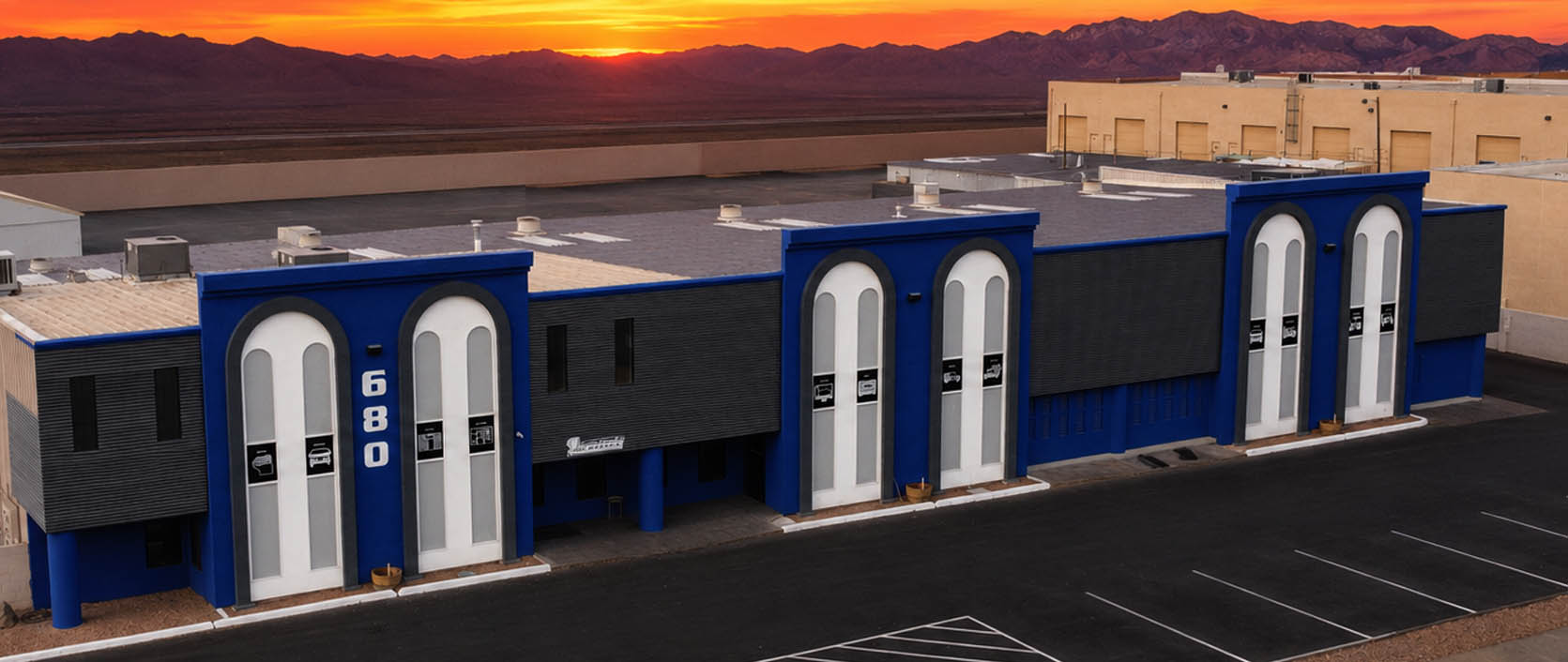
Team Acme provides ADAS calibration from our Henderson shop at
680 Professional Ave, Henderson, NV 89015.
We commonly help drivers from Henderson, Las Vegas, Green Valley, Boulder City, Paradise, Silverado Ranch, Enterprise, Spring Valley, and nearby areas.
680 Professional Ave, Henderson, NV 89015
Store Hours:
Monday-Friday
8am-5pm
Here are the most common questions Team Acme gets about ADAS calibration services.
For most drivers, no. ADAS calibration usually requires diagnostic scan tools, calibration targets, OEM procedures, and the correct setup environment. Because ADAS controls safety features like lane assist, collision warning, and automatic emergency braking, it should be handled by a qualified calibration shop.
ADAS calibration time depends on the vehicle, the safety systems involved, and whether static calibration, dynamic calibration, or both are required. Some calibrations are completed quickly, while others take longer because of setup requirements, road conditions, or system checks.
ADAS calibration usually requires the correct vehicle data, OEM procedures, diagnostic scan tools, calibration targets or proper road conditions, and a clear view for the cameras and sensors. The vehicle may also need to be positioned correctly before calibration begins.
ADAS calibration may clear certain driver-assistance warning lights if the issue is related to camera or sensor alignment. If the warning light is caused by a damaged sensor, wiring issue, programming problem, or other fault, additional diagnostics may be needed.
Yes, you may still need ADAS calibration even if there are no warning lights. Some vehicles require calibration after windshield replacement, camera movement, sensor replacement, or alignment changes because the system may be out of position without immediately showing an alert.
Yes, it can. Vehicles with windshield-mounted cameras need the correct glass, camera bracket, and viewing area for ADAS calibration to work properly. Team Acme can help confirm whether your vehicle needs OEM glass, aftermarket glass, or a specific windshield option for its safety systems.


